
You do not think about oral health in neat, separate chapters. It shows up in the middle of life changes, during pregnancy, when a child’s first tooth appears, when braces become part of the routine, or when an older parent starts struggling with dry mouth and sore gums. That is usually when questions pile up, and a Silver Spring, MD family dentist can help you understand what is normal, what needs treatment now, and what can wait. Is this normal? Does this need treatment now? Can it wait?
A family dentist helps make those moments less confusing. The value is not only cleanings and fillings. It is steady guidance across stages of life, with advice that fits your age, health, habits, and budget. How Family Dentists Provide Guidance During Milestones comes down to one thing. They help you catch problems early, understand what changes are expected, and make decisions before small issues turn into painful or expensive ones.
Family dental care connects oral health to real life changes
Milestones affect the mouth more than most people expect. Pregnancy can raise the risk of gum problems, and the CDC explains the link clearly in its pregnancy and oral health facts. That matters because bleeding gums often get brushed off as one more body change when they may need attention. A family dentist can explain what is common, what is not, and which treatments are safe during that period.
Early childhood brings a different kind of stress. Teething, thumb sucking, bottle use at bedtime, and first dental visits can leave parents second guessing themselves. You may feel like every choice carries a consequence. A dentist who sees the whole family can spot patterns early and give simple guidance before cavities or bite issues become harder to manage.
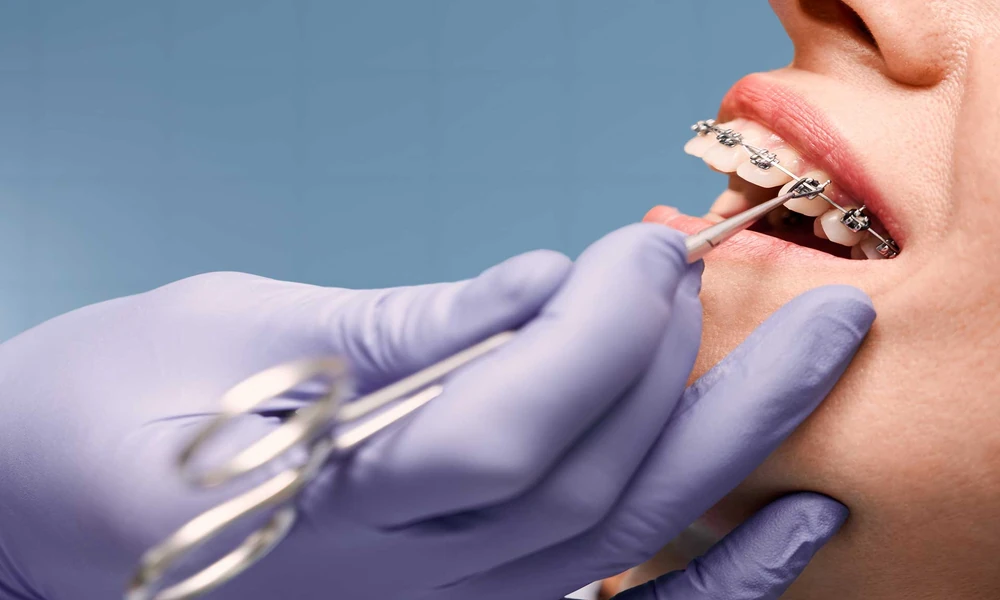
Teen years tend to bring sports, braces, shifting routines, and more independence. This is often when brushing gets rushed and sugary drinks become a habit. If your child has orthodontic treatment, missed cleanings can lead to white spots, gum swelling, and decay around brackets. Guidance here is less about scolding and more about building systems that actually work with a teen’s schedule.
Later in life, the concerns change again. Medications can cause dry mouth, gums may recede, and dexterity problems can make brushing or flossing harder. The National Institute on Aging outlines common concerns in taking care of your teeth and mouth. A family dentist can adjust care plans, suggest easier tools, and watch for signs that a small irritation is becoming an infection or a nutrition issue.
A family dentist helps prevent small symptoms from becoming bigger problems
A lot of dental trouble starts quietly. A little bleeding while brushing. A child who chews on one side. A teen who says cold drinks suddenly hurt. An older adult who avoids certain foods because chewing feels tiring. These do not always look urgent, which is why they often get delayed.
Delay has a cost. Cavities deepen, gum inflammation spreads, and habits settle in. The emotional part is real too. Parents feel guilty for missing signs. Adults put off visits because they expect bad news or worry about cost. Older relatives may stay silent because they do not want to be a burden. Family dental care works best when it lowers shame and replaces guessing with a plan.
Guidance from a family dentist often sounds practical rather than dramatic. Come in sooner. Change the toothbrush head. Add fluoride. Watch this area for two weeks. Use a night guard. Ask your obstetric provider and dental office to coordinate care. That kind of advice can save money and stress because it catches issues before they become emergencies.
Milestone guidance works better than one size fits all advice
General tips online can help, but they cannot see your mouth, your child’s habits, or your parent’s medication list. Even a solid home care routine has limits. MedlinePlus offers useful basics on how to care for your teeth and mouth, but personal guidance matters when symptoms keep returning or life circumstances change.
| Milestone | Common concern at home | How a family dentist helps |
|---|---|---|
| Pregnancy | Bleeding gums, nausea during brushing, worry about treatment safety | Checks gum health, adjusts home care, coordinates safe timing for treatment |
| Early childhood | Teething, bottle habits, fear of first visits, early cavities | Tracks development, teaches cavity prevention, makes visits familiar and calm |
| Teen years | Braces care, sports injuries, skipped brushing, sugary drinks | Monitors hygiene, recommends mouthguards, catches decay around orthodontic work |
| Older adulthood | Dry mouth, gum recession, denture issues, trouble cleaning well | Adjusts care tools, manages comfort, checks for disease and oral function changes |
Clear steps make family dentistry easier to manage
Track the change, not just the pain. Write down what started, when it started, and what makes it better or worse. Bleeding gums, mouth sores, jaw clicking, sensitivity, and changes in eating are all worth noting. Patterns help a dentist decide whether this is temporary irritation or something that needs treatment.
Book visits around milestones, not only emergencies. Schedule a dental check before or during major transitions such as pregnancy, school entry, orthodontic treatment, or after a new medication starts. This is where milestone based dental guidance helps most. It gives you a chance to prevent problems instead of reacting to them.
Ask for a home care plan that fits real life. If flossing every night is not happening, say that. If your child fights brushing, say that too. If an older parent cannot grip a toothbrush well, bring it up. A useful plan is specific, realistic, and matched to the person, not to an ideal routine that falls apart in a week.
Family dental care gives you steadier support through every stage
Life keeps changing, and your mouth changes with it. You do not need to sort through every symptom alone or wait until something hurts enough to force the issue. A family dentist can guide you through first teeth, braces, pregnancy, aging, and all the smaller shifts in between with care that is personal and easier to follow. When a milestone brings new questions, reach out and schedule a visit with a family dentist.