
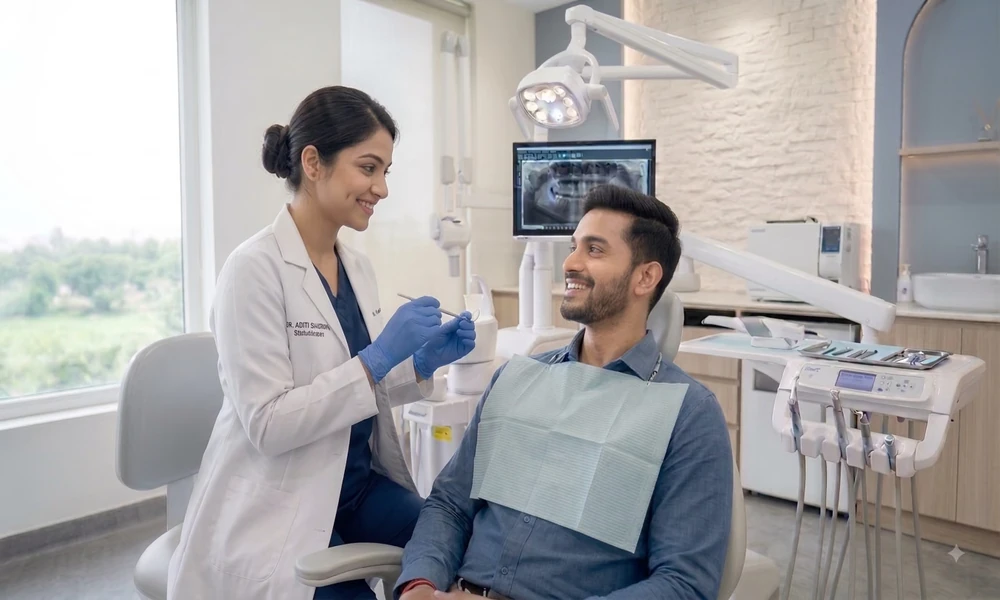
You may have gone in for what seemed like a routine visit with a Norfolk family dentist and left hearing about speech therapy, occupational therapy, feeding concerns, or oral muscle habits. That can feel confusing fast. You came in thinking about teeth, not chewing, swallowing, tongue movement, or sensory issues. Still, these concerns often overlap, especially in children and in patients with special health care needs.
Why family dental teams may coordinate with speech or occupational therapists comes down to one simple fact. The mouth does more than hold teeth. It helps with eating, speaking, breathing, swallowing, and daily comfort. When one part of that system is off, the effects can show up in several places at once. A dentist may spot signs during an exam that point to feeding challenges, oral habits, muscle tension, delayed oral skills, or sensory patterns that deserve support from another provider.
Family dental care often overlaps with speech, feeding, and sensory development
A family dentist looks at tooth eruption, bite patterns, gum health, decay risk, and oral habits. During that same visit, they may also notice mouth breathing, tongue thrust, gagging during care, trouble tolerating brushing, poor lip closure, food packing in the cheeks, or speech sounds affected by oral structure and movement. These are not random observations. They can be clues that the child or adult needs a wider support plan.
That is where coordination matters. Speech language pathologists often help with feeding and swallowing, oral motor function, and communication. The American Speech Language Hearing Association’s guidance on pediatric feeding and swallowing explains how feeding problems can involve the mouth, throat, behavior, and sensory response. Occupational therapists may help with sensory regulation, body positioning, routines, self care skills, and tolerance for oral hygiene. A dental team may see the signs first because the mouth is right in front of them.
You might already be living this. Your child only eats a few textures, melts down during toothbrushing, gags at new foods, breathes through the mouth, or struggles to sit through a cleaning. On paper, those may seem like separate problems. In real life, they often connect. A child who avoids firm textures may not build chewing skills as expected. A child with sensory sensitivity may resist brushing so strongly that plaque builds up and cavities follow. A child with weak lip closure may drool, keep the mouth open, and dry the oral tissues, which can affect comfort and oral health.
Coordinated care can reduce missed problems and repeated stress
When providers work in isolation, families can end up repeating the same story over and over, paying for visits that do not connect, and missing the bigger picture. One provider treats cavities. Another addresses feeding. Another notices posture or sensory regulation. If no one compares notes, progress can stall.
This is especially true for children with developmental differences, medical conditions, or disabilities. The AAPD recommendations for managing dental patients with special health care needs support an individualized, team based approach. That means the dentist is not stepping outside their role by referring to speech or occupational therapy. They are doing the opposite. They are recognizing when oral health is tied to function and daily life.
Think about a child who gets frequent cavities and also pockets food in the cheeks. If the only plan is fluoride and fillings, the decay may keep returning because the chewing pattern and food retention are still there. Or a child may have a strong gag reflex during treatment. Without support for sensory regulation and gradual desensitization, every dental visit becomes a battle. The goal of coordination is not to add more appointments for the sake of it. The goal is to make care more effective and less draining.
Early feeding patterns can shape what a family dentist sees later
Feeding development starts early, and early patterns can affect oral habits, chewing strength, and food acceptance as children grow. The CDC guidance on introducing solid foods outlines when and how new textures are typically introduced. When feeding milestones are delayed or stressful, families may lean on a narrow range of soft foods for a long time. That is understandable. It can also affect oral development and cavity risk, especially if sticky, processed, or frequent snack foods become the safest option.
This is one reason coordination between dentists and therapists can matter so much. The issue may not be parenting effort. It may be skill, comfort, sensory response, or swallowing safety. Once that is identified, care becomes more targeted and less frustrating.
What coordinated support can look like in daily life
| What the dental team may notice | What it may affect | Who may help |
|---|---|---|
| Frequent gagging during exams or brushing | Oral hygiene, dental visits, food acceptance | Occupational therapist, speech therapist, family dentist |
| Food pocketing or weak chewing | Decay risk, mealtime length, swallowing safety | Speech therapist, family dentist |
| Mouth breathing or poor lip closure | Dry mouth, comfort, oral habits, bite development | Family dentist, speech therapist, medical provider |
| Severe brushing resistance | Plaque buildup, gum irritation, family stress | Occupational therapist, family dentist |
| Speech concerns tied to oral structure or movement | Communication, confidence, function | Speech therapist, family dentist |
Dental collaboration with speech therapy or occupational therapy does not mean something is seriously wrong. Often, it means your care team wants to catch small issues before they turn into bigger ones. It can also mean they want your child to have a better experience at home and at future visits.
Three steps you can take right away
Track what you see at home. Write down patterns with brushing, chewing, gagging, drooling, mouth breathing, food refusal, or speech sounds that concern you. Specific examples help a family dentist and therapist connect the dots faster.
Ask for a shared plan. If your dentist mentions speech or occupational therapy, ask what they noticed, what goal they have in mind, and what should be addressed first. A good plan is clear, practical, and realistic for your family’s schedule.
Bring all providers into the same conversation. Sign releases if needed so your dentist, pediatrician, speech therapist, and occupational therapist can communicate. Even a short exchange can prevent duplicate work and make treatment more consistent.
Coordinated family dentist care can make everyday routines easier
If you have been feeling pulled in different directions, that reaction makes sense. Teeth, feeding, speech, and sensory needs can blur together, and it is hard to know which concern belongs to which provider. A family dentist who recommends coordination is often trying to simplify that picture, not complicate it. When the right professionals work together, care becomes more connected, daily routines can get easier, and your child or loved one gets support that fits real life.
If a dental visit raises concerns beyond cavities or cleanings, do not ignore the referral. Ask questions, gather the full picture, and move forward one step at a time with your family dentist.