
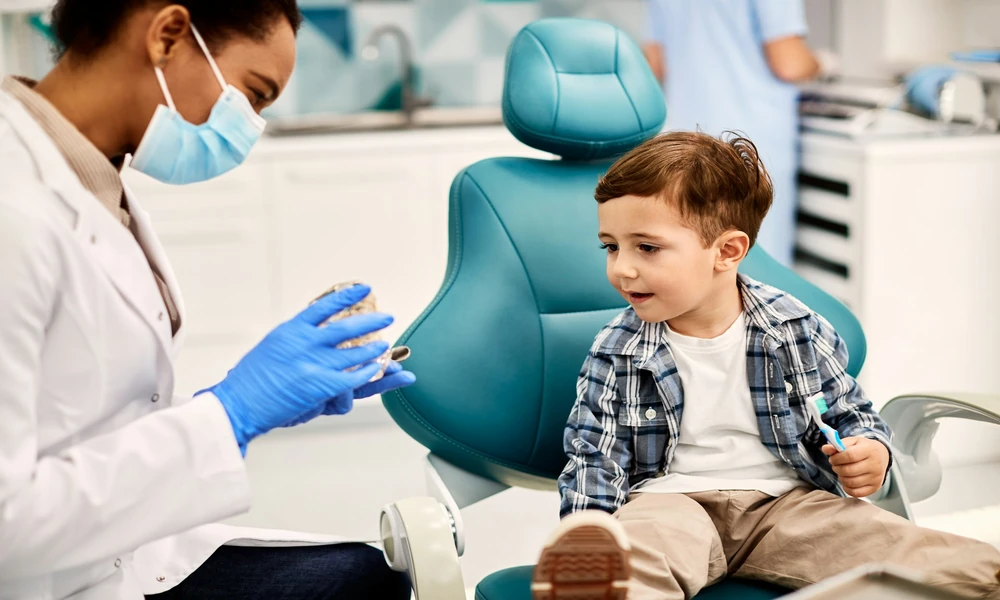
You might already know the feeling. The appointment is on the calendar, one child is nervous, another is asking a dozen questions, and you are trying to keep the whole thing calm before anyone even walks through the door. For many parents, a trip to the family dentist in Northwest Joliet can feel bigger than it should, because one hard visit can shape how a child feels about dental care for years. The good news is that a few small choices before, during, and after the appointment can make positive family dental visits much more likely.
When children feel safe, informed, and included, routine care gets easier. That means less stress for you, fewer tears in the chair, and a better chance that regular checkups become a normal part of family life instead of something everyone dreads. If you have been wondering how to make dental appointments smoother, there are practical ways to help.
Why can a simple dental appointment feel so hard for families?
Most children are not reacting only to the cleaning or exam. They are reacting to the unknown. New sounds, bright lights, different smells, and the idea of someone looking closely in their mouth can all feel intense. If your child has had one uncomfortable experience, even something minor, that memory can grow in their mind before the next visit.
Because of this tension, you might notice your own stress rising too. Maybe you worry about how your child will behave, whether treatment will cost more than expected, or how to explain oral care in a way they will actually accept. That stress can quietly transfer to children, even when you are trying your best to stay upbeat.
So, where does that leave you? Usually, it means the visit goes best when the focus is not only on teeth, but on trust. A calm routine, age-appropriate language, and a sense of predictability can turn a feared event into something manageable.
What are 5 tips for making family dental visits positive experiences?
1. Talk about the visit in simple, calm language. Children often fill in the blanks with fear when they do not know what to expect. Instead of saying, “It will not hurt,” which can plant the idea that pain is likely, try saying, “The dentist will count your teeth and make sure they are strong and clean.” Simple language lowers pressure and gives your child a clear picture.
2. Practice at home before the appointment. A pretend checkup can help a lot. You can count teeth with a toothbrush, have your child open wide for a few seconds, or take turns being the dentist. This kind of play makes the real visit feel less foreign.
3. Choose the right appointment time. If your child is usually tired or hungry in the afternoon, that may not be the best time for a visit. Morning appointments often work better for younger children because they are more rested and less likely to be overwhelmed.
4. Keep your own tone steady. Children notice everything. If you sound tense, apologetic, or overly reassuring, they may assume something is wrong. A calm, matter-of-fact tone helps the appointment feel routine. You do not need to oversell it. You just need to make it feel normal.
5. Praise effort, not perfection. Maybe your child sat in the chair but cried a little. Maybe they opened their mouth only after a few tries. That still counts as progress. When you praise bravery, listening, and trying again, you help build confidence for the next visit.
These ideas support better family dental care visits because they work with a child’s emotions instead of against them. They also support habits at home. The Centers for Disease Control and Prevention shares practical oral health tips for children that can make everyday brushing and dental routines easier to maintain between appointments.
How do home habits compare to in-office support?
Parents often ask if a smoother visit really starts at home. In many cases, yes. Home habits shape how familiar oral care feels, while the dental office builds on that foundation with exams, cleanings, and guidance. It is not one or the other. The best results usually come from both.
| Approach | What It Helps With | Limits to Keep in Mind |
|---|---|---|
| Brushing and flossing routines at home | Builds comfort with oral care, supports healthy teeth and gums, makes dental visits feel more familiar | Does not replace exams, cleanings, or early treatment when problems begin |
| Pretend play before appointments | Reduces fear of the unknown, gives children language for what will happen | May not fully ease anxiety for very young children or children with sensory concerns |
| Regular visits with a family dentist | Finds concerns early, reinforces prevention, helps children build trust with the dental team | Works best when visits are consistent rather than only scheduled during pain or emergencies |
There is also a health side that matters. MedlinePlus explains the importance of caring for baby teeth, which surprises some parents who assume those teeth do not matter because they fall out. They do matter. They support eating, speech, and the space adult teeth need later on.
If you are dealing with resistance at home, it can help to remember that many families are in the same position. MedlinePlus also offers a helpful overview of children’s dental health, including common concerns and prevention basics that can guide your next steps.
What can you do right now to make the next visit easier?
Set the tone a few days early. Bring up the visit casually, not as a warning or a reward. Read a children’s book about dental care, do a practice “open wide,” and answer questions honestly in short, calm terms.
Create a simple appointment routine. Try to keep meals, naps, and travel time predictable on the day of the visit. Bring one comfort item if your child is young, and arrive with enough time so no one feels rushed walking in.
Follow up with calm praise afterward. Focus on what your child did well. You might say, “You sat still while they counted your teeth,” or “You were nervous and still did it.” That kind of feedback helps children see themselves as capable.
What does a better dental experience look like over time?
It usually does not happen all at once. One child may warm up after a single easy visit. Another may need several appointments before things feel settled. That is normal. The goal is not a perfect appointment every time. The goal is a steady pattern where dental care feels safe, expected, and worth doing.
When you approach visits with patience and a plan, children learn that oral care is part of staying healthy, not something to fear. Over time, that can mean less stress in the car, more cooperation at home, and a stronger relationship with your family dentist. If your family has been struggling with appointments, small changes can lead to a much better experience at the next visit.