
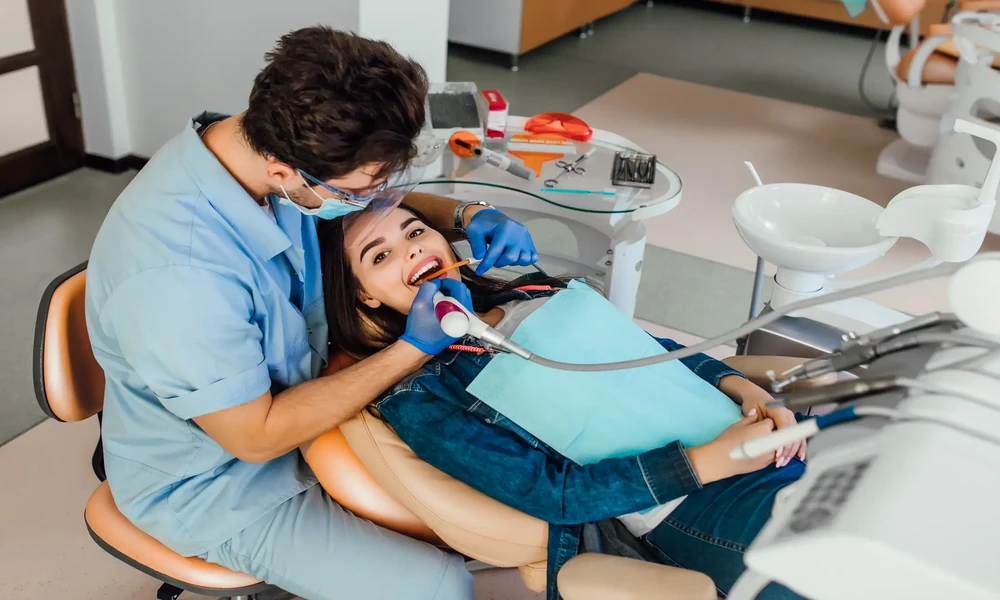
You may already be carrying a lot before you even book the appointment. Maybe your child struggles with changes in routine, loud sounds, bright lights, or being touched around the mouth. Maybe one difficult dental visit is still sitting with you, and now every reminder card brings that stress right back. When your child has special needs, dental care is rarely just about teeth. It is about trust, comfort, timing, and whether the visit feels safe enough to get through with the team at Columbia Gateway Dentistry.
That strain is real. Many parents end up delaying care, not because they do not value it, but because the whole process can feel like too much for everyone involved. A good family dentist can help lower that pressure. The right approach makes room for sensory needs, communication differences, medical history, and the small adjustments that often decide whether a visit goes smoothly or falls apart.
Special needs dental care works best when the whole child is considered
Children with developmental or physical disabilities often need a different pace and a different style of care. Some need extra time to get used to the chair. Some do better with simple, one step directions. Some need a parent close by the entire time. Others have conditions that affect muscle control, swallowing, medications, or diet, which can raise the risk of cavities and gum problems. The National Institute of Dental and Craniofacial Research offers a helpful overview of oral health and developmental disabilities, including the added barriers many families face.
The hard part is that dental problems do not pause while a child is getting comfortable with the process. If brushing is difficult at home, if certain textures are impossible, or if a child takes medicine that causes dry mouth, plaque builds up fast. A small cavity can turn into pain, infection, or a treatment plan that is much harder on your child than an early checkup would have been.
This is where special needs dental care within a family practice can make a real difference. Familiar faces, flexible scheduling, calm explanations, and a dentist who listens to what sets your child off can change the entire experience. You are not asking for special treatment in the negative sense. You are asking for care that fits your child well enough to actually work.
Family dentistry can reduce fear before treatment even starts
A lot of the success of a visit is decided before anyone says, “Open wide.” Children who need predictability often do better when they know what the room looks like, what tools may be used, and how long each part of the visit might last. A short pre visit, photos of the office, or a simple visual schedule can help. Some families bring headphones, a comfort item, or a weighted lap pad. Some schedule around medication times, naps, or school demands because a child who is already stretched thin has less room to cope.
If your child is nonverbal, has autism, ADHD, cerebral palsy, Down syndrome, sensory processing challenges, or another condition that affects daily care, that information matters. So do the details you might think are too small to mention. Does your child gag easily? Panic when reclined? Resist mint flavors? Need breaks every few minutes? Those details are often the key to a workable plan.
At home, oral care may also be more complicated than people realize. According to MedlinePlus guidance on brushing your teeth, brushing and flossing are basic daily steps, but for some children those “basic” steps involve hand over hand support, adaptive toothbrushes, nonfoaming toothpaste, or several short attempts instead of one full routine. Parents know this. What they need from a family dentist is not judgment, but practical help.
Practical differences between standard dental visits and adapted family dental support
| Area of Care | Standard Approach | Adapted Family Dentistry Approach |
|---|---|---|
| Appointment length | Short, fixed time slot | Extra time for transitions, breaks, and slower pacing |
| Communication | General instructions given quickly | Clear, simple directions matched to the child’s communication style |
| Sensory needs | Bright lights, strong sounds, little adjustment | Lower stimulation when possible, comfort tools, warning before touch or sound |
| Parent involvement | Limited once treatment begins | Parent input welcomed before and during the visit |
| Home care planning | Standard brushing advice | Modified strategies based on motor skills, tolerance, and routine |
| Long term outcome | Higher chance of missed visits after a bad experience | Better trust, more consistent preventive care, fewer crisis visits |
That difference matters because prevention is usually the gentlest path. The NIDCR page on children’s oral health reinforces how regular cleanings, fluoride, and daily hygiene protect teeth before pain starts. For children with special needs, preventing problems early can spare them from treatment that feels much more invasive later.
Family dentistry for children with special needs starts with clear, usable steps
Share a full comfort profile before the visit. Write down triggers, calming tools, medical conditions, medications, communication preferences, and what has gone wrong at past appointments. Include what works too. A dentist cannot adjust for needs they do not know about.
Practice the routine in small pieces. Count teeth with a toothbrush at home, practice opening wide for a few seconds, or use a mirror to show what the dentist may do. Small repetitions build familiarity without turning home into a battle.
Ask for a prevention plan that fits real life. This may include a different toothbrush handle, flavored or unflavored toothpaste, shorter brushing sessions, fluoride options, or timing tips that work with your child’s daily rhythm. Good family dentist care should meet your family where you are, not where a textbook says you should be.
Steady support makes dental care more manageable
You do not need a perfect routine or a child who sails through appointments to make progress. You need a dental team that sees your child as a whole person, respects your knowledge as a parent, and builds care around what is actually possible. That is the heart of supporting children with special needs through family dentistry. It is slower at times, more thoughtful, and often far more effective.
If you are ready to make dental visits feel less overwhelming, reach out to a family dental office that understands how to adapt care with patience and clarity. The right support can turn a source of dread into one more part of your child’s health that feels manageable.