
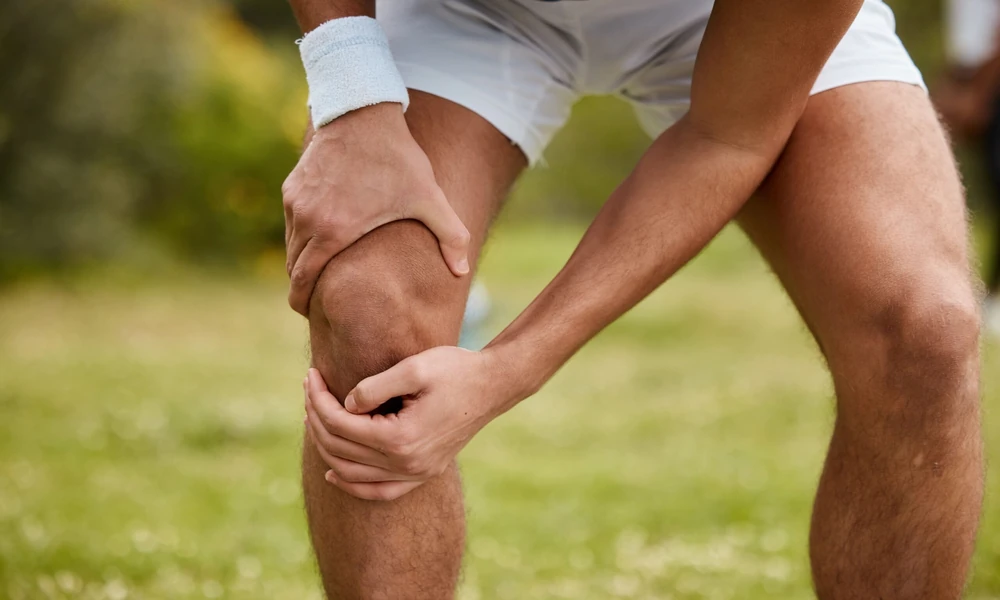
If you have a dull aching pain in the joints after some activity, you might be dealing with one of the most common knee problems.
Generally people search for affordable yet reliable solutions available in the market. That’s when the knee caps or compression sleeves come into play.
Compression knee caps offer a simple and continuous pressure to manage discomfort. Compression sleeves can help to reduce and manage it. But, some people are skeptical about their actual role in pain relief. It can be due to their light support of these sleeves.
In this guide we will understand how they actually work. It will help you choose the right knee cap according to the underlying problem.
Let’s explore.
What Is The Knee Cap?
A supportive aid designed to provide stability, reduce strain and help in the recovery of knee related conditions. A best knee cap for pain relief is a supportive aid which is a very affordable and easily available garment. It is commonly also called knee sleeves or knee brace.
5 Main Causes Of Knee Pain
Sprains and strains
Damage due to overstretching, twisting or sudden impacts in muscles during any physical activity.
Ligament tears
Tears in the ligaments caused by sudden stops and changes in direction.
Meniscus tears
Damage to the cartilage cushioning present between the bones. Often from a sudden twist while bearing weight.
Tendinitis and bursitis
Inflammation of the tendons or fluid filled sacs due to prolonged pressure.
Osteoarthritis
Degradation of joint cartilage over time, causing chronic pain and stiffness.
How Compression Sleeves Help In Pain Relief?
Compression helps relieve knee pain by using external pressure to improve blood flow. It will further help to reduce joint swelling and pain. Compression makes the discomforting condition feel more manageable because:
- Nervous system activation
The snug mild pressure of a compression knee cap sends constant signals to the brain. These signals are interpreted more as compared to dull pain signals. Thus, it effectively lowers the sensitivity of the ache.
- Hydrostatic Swelling Reduction
Joint issues like osteoarthritis cause fluid accumulation in the knee making it hard to move. The elastic material creates a pressure gradient pushing away the inflammatory fluids out of the joint area. Thus, effectively reducing the swelling too.
- Enhanced Blood Flow & Oxygenation
The localized pressure increases circulation and brings fresh oxygen to the affected area. It helps in the healing of irritated tendons and muscles surrounding the joint while also clearing out any metabolic waste like uric acid.
- Heightened Awareness
The fabric stimulates the nerve receptors in the skin. This gives the brain signal for the knee’s exact position. This automatically improves balance and stability.
- Muscle Activation
The knee cap gives the surrounding muscles support to contract. This stabilizes the patella and helps them in supporting the joint more efficiently. Thus, reducing the overall workload on injured cartilage.
Types Of Compression Knee Caps For Pain Relief
| TYPE | How it works | Best for | Main Benefit |
|---|---|---|---|
| Closed Patella | Fully covers the whole knee | General aching and swelling | Maximum swelling reduction |
| Open Patella | Has a cutout hole for the kneecap | Pain right behind the kneecap | Relieves pressure on the kneecap |
| Wrap around support | Use Velcro straps so you can control how tight the fit is | Mild to moderate sprains and adjustable comfort | Comfortable to wear all day |
| Knee Strap | Applies targeted pressure directly to the tendon below the kneecap | Jumper’s knee and patellar tendonitis | During running and jumping |
| Hinged Knee Support | Ligament injuries and post-surgery recovery | Uses rigid side hinges to prevent the knee from wobbling sideways | Unstable knees recovering from a major injury |
In What Situations Does Knee Cap Actually Help?
A compression sleeve is highly effective for:
Early Arthritis
It keeps the joint warm and lubricated. Thus, reducing ache and morning stiffness.
Minor Swelling
It prevents excess fluid from building up in the joint after a long day.
Recovery
Wearing it after exercise drains out metabolic waste and speeds up the healing process.
During Low Impact Activity
It provides structural reassurance and warmth during walking, cycling or light workout sessions.
When Compression Doesn’t Work?
- When your knees give out or bend inward under excess body weight.
- Muscle imbalances or a misaligned kneecap
- Severe swelling with intense pain
- Diabetes neuropathy
- Nerve numbness and damage
- Blood accumulation due to severe trauma
Wrapping Up
Compression knee caps are a wonderful supportive garment for mild pain and swelling. It provides some stability as well as reduction of day to day discomfort. But, considering it as an ultimate solution for the underlying condition is something you shouldn’t do.
Incorporate it in daily routine as an additional support and not a treatment. If some conditions remain unchecked, kindly get it diagnosed to avoid it becoming a chronic issue.
The best knee cap for pain relief is which provides the ideal comfort and stability to the knees without causing much irritation. Realistically use it with proper fit and compression to get the results you’re hoping for.