


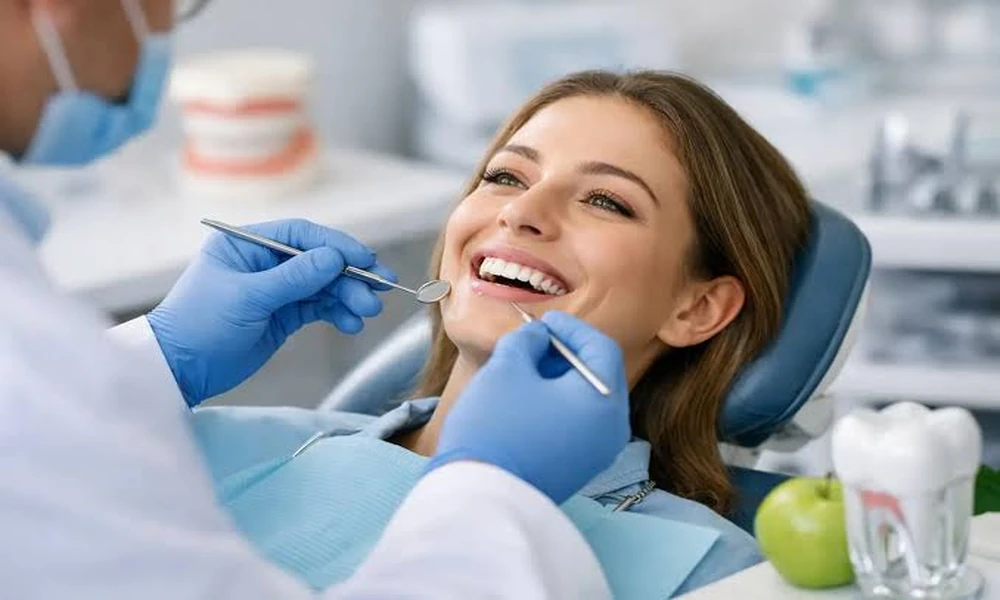
You want your smile to look better, not different. That is usually the real goal. You are not trying to look like someone else, and you probably do not want obvious dental work that stands out in photos or conversations. If you are considering cosmetic dentistry in Kensington, CA, you want healthy teeth, balanced color, and restorations that blend in so well no one notices them.
That is where many people get frustrated. Cosmetic treatment gets most of the attention, but the foundation is often ignored. If gums are inflamed, enamel is weak, or decay is already starting, even beautiful cosmetic work can end up looking off, failing early, or costing more to maintain. The best aesthetic results usually start long before whitening, bonding, or veneers. The role of preventive dentistry in achieving natural looking cosmetic results is simple. It protects the structure you already have, supports the look of any cosmetic work, and helps your smile stay believable over time.
Preventive dentistry creates the base for natural cosmetic dentistry
Natural looking dentistry depends on harmony. Teeth need the right shape, but they also need healthy surrounding tissue, stable enamel, and a bite that does not place too much pressure on one area. If any of those pieces are off, cosmetic improvements can start to look uneven. A crown may match the shade but sit next to red, swollen gums. Whitening may brighten teeth but expose dehydration lines or sensitivity. Bonding may look smooth at first, then chip because grinding was never addressed.
You see this in everyday situations. Someone gets whitening before a cleaning, and the color turns out patchy because plaque and tartar were still present. Another person chooses veneers without treating gum disease, then notices the final result looks bulky near the gumline. A small cavity under an older filling gets ignored because it does not hurt yet, then a simple cosmetic plan turns into a larger repair.
Preventive dental care for cosmetic results means catching these issues early. Regular cleanings, exams, fluoride when needed, and bite evaluation all help a cosmetic plan look more natural because they keep the surrounding conditions stable. According to the CDC’s oral health tips for adults, daily brushing, flossing, healthy eating, and routine dental visits reduce the risk of decay and gum disease. Those are not separate from cosmetic goals. They are what make cosmetic results believable.
Healthy enamel and gums affect color, contour, and longevity
Cosmetic dentistry is often judged by color, but the eye notices more than shade. Gum symmetry, tooth translucency, surface texture, and how light reflects off enamel all shape whether a smile looks natural. Preventive care protects those details.
Enamel matters because it gives teeth depth. When enamel is worn down by acid, aggressive brushing, or grinding, teeth can look flat, dull, or uneven before any cosmetic work begins. Gum health matters because swollen or receding tissue changes proportions. Even well-made restorations can look artificial if the frame around them is unhealthy.
The National Institute of Dental and Craniofacial Research outlines the basics of oral hygiene and daily home care, and those basics have a direct cosmetic payoff. Consistent plaque control lowers inflammation. Lower inflammation supports cleaner margins around bonding, crowns, or veneers. Better home care also helps whitening last longer and lowers the chance of staining around restorations.
There is also the money side of this. Skipping preventive visits to save money often leads to more expensive cosmetic revisions later. If a veneer has to be replaced because decay formed at the margin, the cost is not just clinical. It is emotional too. You already invested in looking and feeling better, then you are back in the chair fixing something that might have been avoided.
Preventive care lowers the risk of cosmetic work looking obvious
The most attractive smiles usually do not look newly manufactured. They look like healthy versions of the person’s own teeth. That takes restraint and planning. A general and cosmetic dentist often starts by preserving what can be preserved, then improving what needs help. This is one reason natural looking cosmetic results are so often tied to prevention.
Research also supports the larger point that oral health affects quality of life and long term outcomes. The Oral Health in America report details how oral disease remains common and how prevention improves health across the lifespan. For someone considering cosmetic treatment, that matters. A smile is not just a surface issue. It reflects the condition underneath.
Preventive dentistry and cosmetic treatment work better together
| Approach | Short Term Look | Long Term Outcome | Common Risk |
|---|---|---|---|
| Cosmetic treatment without preventive care | Can look better at first | Higher chance of staining, chipping, gum issues, or hidden decay | Early replacement or repair |
| Preventive care before cosmetic treatment | More even color and healthier gum appearance | Better stability and more natural integration | Requires patience before final cosmetic work |
| Preventive care after cosmetic treatment | Helps maintain brightness and contour | Longer life for restorations and fewer surprises | Neglect can shorten results |
This is the practical difference between chasing a quick change and building a result that still looks right years later. Cosmetic procedures improve appearance. Preventive care protects the investment and the biology underneath it.
Small steps now support better cosmetic dentistry later
Schedule a diagnostic exam before choosing cosmetic treatment. If you are thinking about whitening, bonding, veneers, or replacing old dental work, start with a full exam and cleaning. Ask about gum health, bite forces, enamel wear, and any signs of early decay. A cosmetic plan is stronger when it starts with facts.
Clean up the daily habits that age a smile. Brush twice a day with fluoride toothpaste, floss or clean between teeth daily, and pay attention to staining habits like smoking, frequent coffee, or sipping acidic drinks over hours. If you clench or grind, ask about a night guard. These habits shape how your teeth look now and how cosmetic work will hold up.
Think in phases, not quick fixes. Many of the best smile improvements happen in order. First stabilize health. Then improve color, shape, or alignment. Then maintain it. That is often how cosmetic dentistry stays subtle and believable instead of looking overdone.
A natural smile rarely comes from cosmetic treatment alone. It comes from healthy teeth, healthy gums, and careful planning that respects what already works in your face. If you have been weighing cosmetic changes but worry about results looking fake, that concern makes sense. Prevention is often the reason a smile looks effortless instead of obvious. If you are ready to improve your smile, start with a general and cosmetic dentist who treats health and appearance as part of the same plan.