


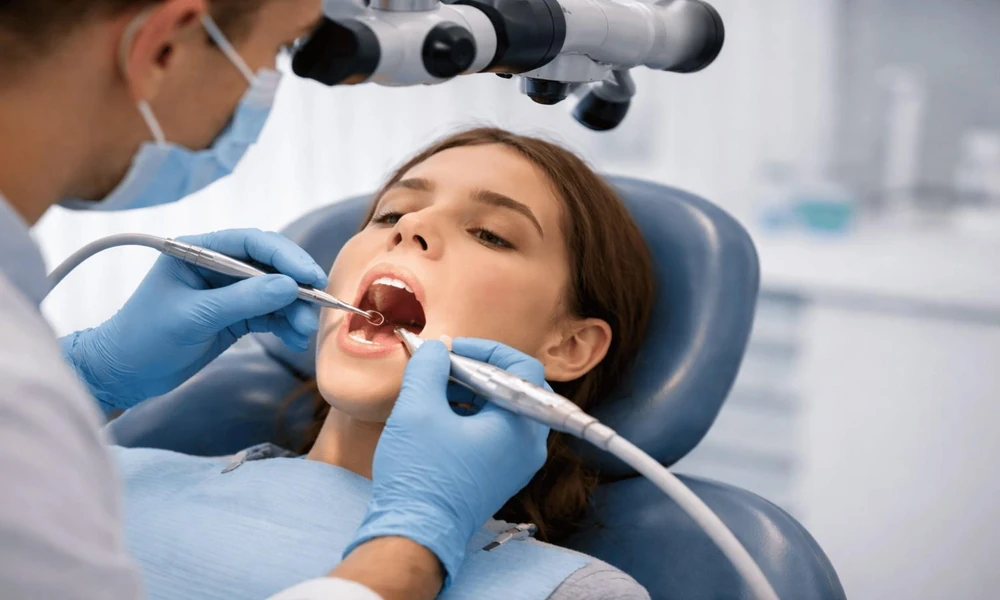
You might already know the feeling. A routine dental appointment with a Lower Gwynedd dentist shows up on your calendar, and even if nothing hurts, your shoulders tighten a little. You wonder whether the dentist will find a cavity, whether your gums will bleed during cleaning, or whether you will hear that familiar advice you meant to follow but never quite made part of your week. That quiet stress is common, and it often starts long before you sit in the chair.
The good news is that easier visits usually begin at home, not in the exam room. Small daily choices can lead to shorter cleanings, fewer surprises, and more comfortable checkups. If you have been looking for simple ways to make general dentistry visits easier, the answer is not perfection. It is steady prevention, practiced in ways that fit real life.
Why do routine dental appointments feel harder than they should?
For many people, the problem is not one big mistake. It is the build up of little things. You skip flossing for a few days, sip sweet drinks during work, brush quickly when you are tired, and put off replacing your toothbrush. None of that seems dramatic in the moment. But over time, plaque hardens, gums get irritated, and minor issues become the kind of problems a general dentist has to treat instead of simply monitor.
Because of this tension, you might wonder what actually matters most. Do you need a perfect routine, expensive products, or a total reset? Usually, no. What helps most is a short list of habits you can repeat without much effort. That is what makes preventive dental habits so useful. They lower the chance of decay and gum trouble, and they also make cleanings and exams feel less uncomfortable.
Which 6 preventive habits make a general dentist visit easier?
1. Brush twice a day for a full two minutes. This is still the foundation. Use a soft bristled toothbrush and fluoride toothpaste, and clean along the gumline instead of only the front surfaces. If you want a refresher on the basics, the National Institute of Dental and Craniofacial Research explains good oral hygiene steps in a simple, practical way.
2. Clean between your teeth every day. Floss, picks, or a water flosser can all help, depending on what you will actually use. This matters because a toothbrush cannot fully reach tight spaces where food and plaque collect. When those areas are ignored, you may hear about early gum inflammation at your next visit.
3. Cut back on frequent sugar exposure. It is not only about candy. Sipping soda, sports drinks, sweet coffee, or juice throughout the day gives cavity causing bacteria more chances to produce acid. If you do have sugary drinks, it helps to have them with meals instead of slowly over hours.
4. Drink more water. Water helps rinse away food particles and supports saliva, which protects your teeth. If you often deal with dry mouth, this habit can make a real difference. The MedlinePlus overview of dry mouth explains why saliva matters and how low saliva can raise your risk of tooth decay.
5. Replace your toothbrush on time. Worn bristles do not clean well, and they can be rough on your gums if you are already brushing too hard. A fresh brush or brush head every three to four months is a small change that can improve daily cleaning.
6. Keep regular dental checkups. This may sound obvious, but prevention works best when home care and professional care support each other. Routine visits allow a general dentist to catch early signs of decay, gum disease, grinding, or other concerns before they become painful or expensive.
What happens when these habits slip, and why does it matter?
When preventive care falls off, the effects are not always immediate. That is why it is easy to miss the pattern. You may feel fine while plaque is building near the gums. You may not notice a cavity until it reaches a deeper layer of the tooth. You may assume bleeding while flossing is normal, when it is often a sign of irritation that needs attention.
So, where does that leave you? In a better position than you might think. Even a few weeks of steadier care before your appointment can reduce inflammation and help your visit go more smoothly. The CDC oral health tips for adults also point to the same core idea. Daily prevention lowers risk, and lower risk often means less treatment, less discomfort, and fewer unexpected costs.
How do home habits compare to the problems they help prevent?
Sometimes it helps to see the connection clearly. A simple habit can prevent a much harder conversation in the dental chair.
| Preventive habit | What it helps prevent | How it can make visits easier |
|---|---|---|
| Brushing twice daily with fluoride toothpaste | Plaque buildup and early cavities | Cleaner teeth and fewer areas of concern during the exam |
| Daily flossing or interdental cleaning | Gum bleeding and decay between teeth | Less gum tenderness during cleaning |
| Limiting sugary drinks and snacks | Acid attacks that lead to tooth decay | Lower chance of hearing that a small spot became a cavity |
| Drinking water often | Dry mouth and lingering food particles | Better comfort and a healthier mouth environment |
| Replacing your toothbrush regularly | Ineffective cleaning and gum irritation | More effective brushing between appointments |
| Keeping routine checkups | Small issues turning into larger treatment needs | Shorter, more predictable dental visits |
What can you do this week to support better dental care?
Build one anchor habit. Tie oral care to something you already do every day, like brushing right after your morning shower or flossing before you start a nightly show. Habits stick better when they are attached to an existing routine.
Make the easy choice easier. Keep floss where you will see it. Carry a water bottle. Put a spare toothbrush in your travel bag or desk drawer. Good intentions often fail when tools are hard to reach.
Pay attention to early signs. If your gums bleed often, your mouth feels dry, or a tooth feels sensitive to cold, do not wait for the problem to grow. Those early clues can help guide better general dental care before a simple issue becomes a more involved one.
Can easier dentist visits really start with small changes?
Yes, they can. Most people do not need a flawless routine. They need a manageable one they can keep. These six habits support cleaner teeth, calmer gums, and more predictable appointments, which is often what people want most when they think about seeing a general dentist.
If your next checkup has been weighing on you, take that as a cue to start small today. Brush with care, clean between your teeth, drink more water, and stay consistent. Over time, those choices can make dental visits feel less stressful and much more routine.